

In the world of manufacturing, choosing between welding robot workstations and manual welding can significantly impact your operations. Both methods have their own strengths and weaknesses, but which one truly offers more cost-effectiveness? Let's break it down to help you make an informed decision.
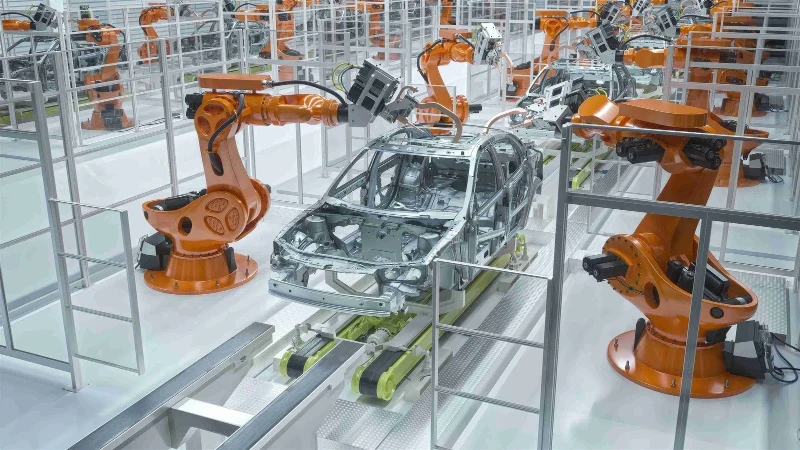
Understanding the Basics: Welding Robot Workstations vs Manual Welding
Manual Welding involves skilled workers using welding equipment to perform the task. This traditional method is ideal for tasks that require flexibility and intricate adjustments. On the other hand, welding robot workstations automate the process with robotic arms and pre-programmed movements, making it a preferred solution for high-volume production where consistency is key.
Cost Comparison: Initial Investment and Long-Term Savings
Manual Welding: The initial cost of setting up a manual welding operation is typically lower. You only need the equipment, tools, and skilled welders. However, hiring qualified welders can quickly add up, especially in industries with high demand. The cost of labor and potential delays due to human error or fatigue can also impact your bottom line over time.
Welding Robot Workstations: The upfront investment in robotic welding systems can be substantial, covering the cost of the robot, installation, and any necessary training. However, these systems are highly efficient and require minimal supervision, leading to significant labor savings. Over time, the investment pays off through reduced labor costs, improved productivity, and lower defect rates.
Efficiency and Throughput: Speed and Consistency
Manual Welding: While manual welding allows for flexibility in handling custom jobs, it does come with limitations in terms of speed. Welders can only work so fast before fatigue sets in, which can affect the quality and consistency of the work. Furthermore, the skill level of the welder plays a major role in the outcome, leading to variability between different workers or shifts.
Welding Robot Workstations: One of the biggest advantages of robotic welding is its speed and consistency. Robots can work around the clock without breaks, maintaining high levels of precision and output. A single robot can complete multiple tasks simultaneously, improving overall production efficiency. Since robotic systems are programmed for precision, the quality of the weld remains uniform throughout the production run, reducing the chances of defects and rework.
Labor Costs: How Automation Reduces Dependence on Manual Labor
Manual Welding: Each welding station typically requires a dedicated welder, leading to higher labor costs, especially when scaling up production. Workers may also need regular breaks and shift changes, further affecting productivity.
Welding Robot Workstations: With robotic systems, one operator can manage multiple welding stations, drastically reducing the number of workers needed. In high-demand environments, this reduction in labor costs is one of the key benefits of robotic welding. Robots also eliminate the risk of human error, leading to fewer rework costs and reduced waste.
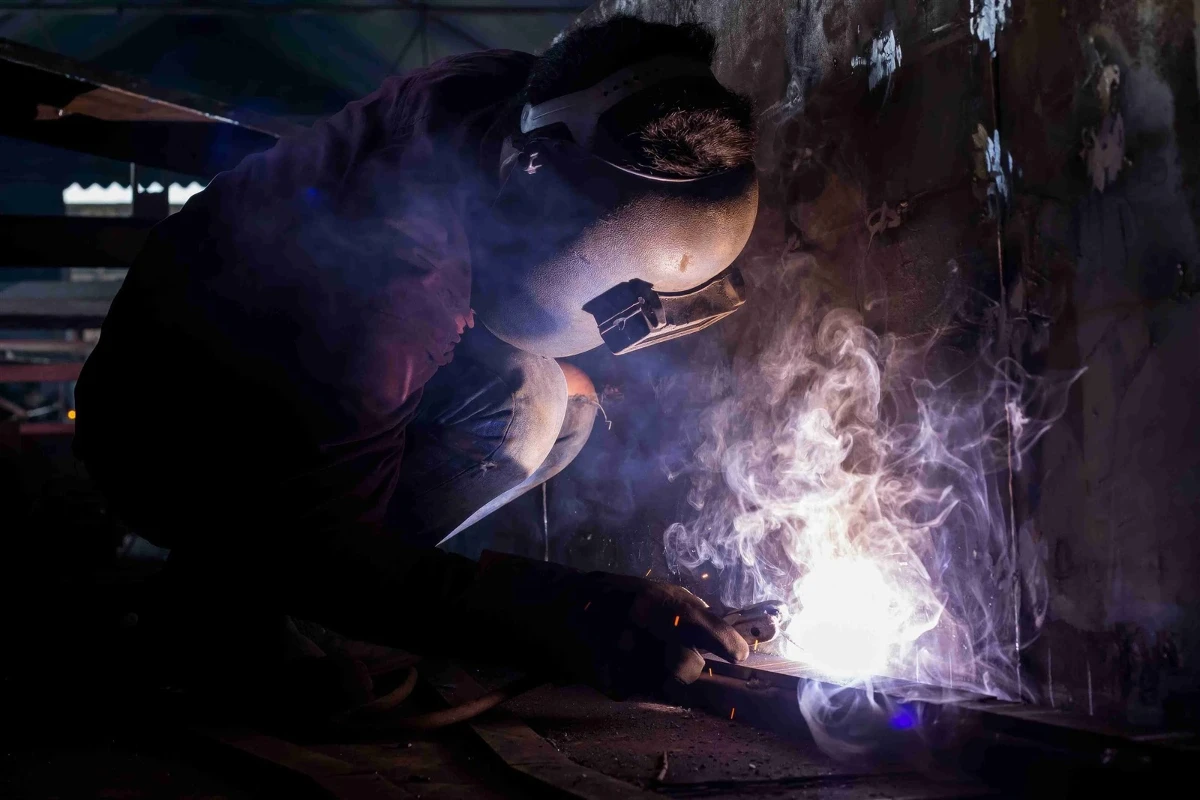
Flexibility and Customization
Manual Welding: Manual welding is more adaptable to changes in design or small production runs. Welders can quickly adjust to new welding specifications or handle custom orders without the need for reprogramming or reconfiguration.
Welding Robot Workstations: While welding robots excel in high-volume, repetitive tasks, they do have some limitations in flexibility. If your products or designs frequently change, the robots may require reprogramming, which can incur additional time and costs. However, for businesses with consistent production needs, this is rarely an issue.
Maintenance and Downtime
Manual Welding: Manual welding operations face fewer technological maintenance concerns. However, human workers may require time off for rest, illness, or other factors, potentially leading to delays. Moreover, human error can lead to inconsistencies and defects, which often result in costly rework.
Welding Robot Workstations: While robotic systems generally require regular maintenance and occasional repairs, they tend to operate without interruptions, as long as they are properly maintained. The risk of unexpected downtime due to worker illness or fatigue is significantly reduced, and because robots maintain consistent quality, the need for rework is minimized.
Quality and Consistency: The Impact on Your Product
Manual Welding: Even the most skilled welders may introduce variability into the welding process. Factors like fatigue, distraction, and skill levels can impact the consistency and quality of welds, especially during longer shifts.
Welding Robot Workstations: Robotic welders are programmed for precision, ensuring that each weld meets the same standards of quality, regardless of time of day or number of shifts. This consistency is crucial for industries that require high-quality products at scale, such as automotive manufacturing and aerospace.
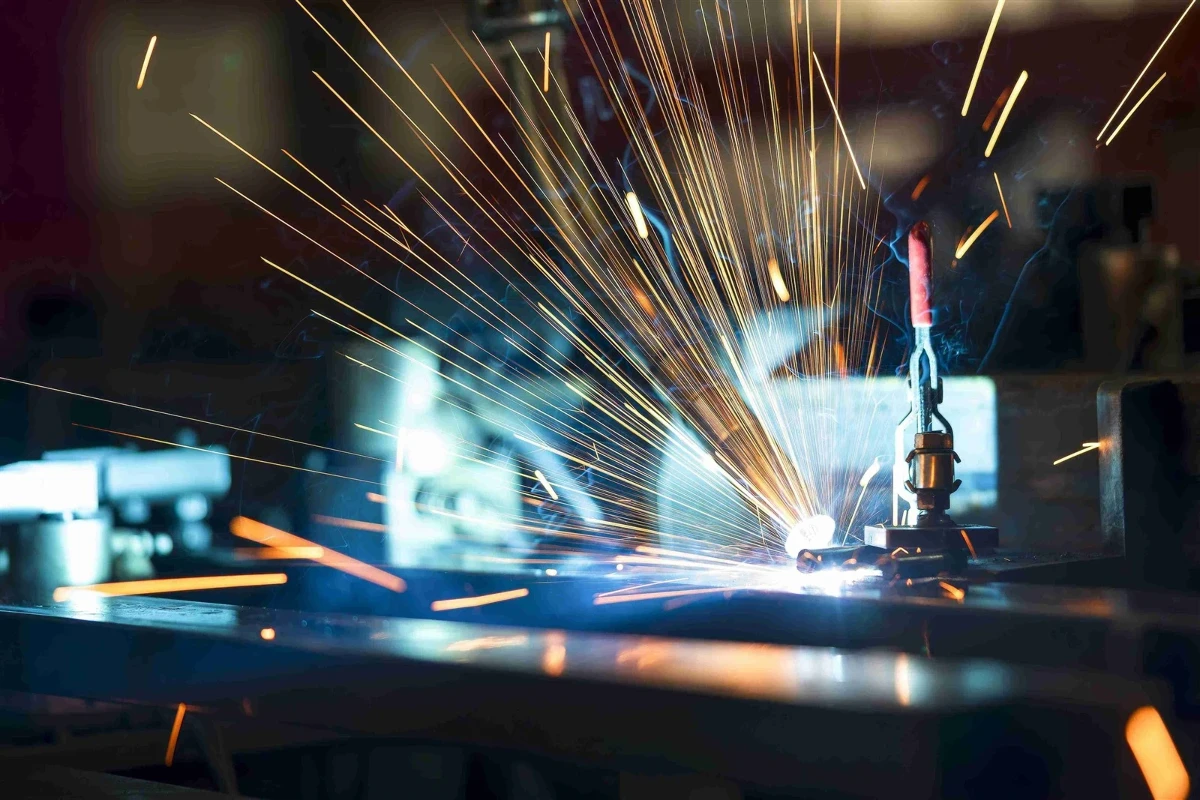
Which Option Is More Cost-Effective?
The decision between welding robot workstations and manual welding ultimately depends on your business's needs:
If you are in a high-volume production environment where speed, consistency, and quality are critical, welding robot workstations will likely prove more cost-effective in the long run. The initial investment may be higher, but the long-term savings on labor, materials, and rework costs often outweigh the upfront costs.
For businesses that require customization and flexibility, or if you have lower production volumes, manual welding may be more suitable. The flexibility to handle varying part designs and quick job changes makes it ideal for smaller or specialized production runs.
Conclusion: Making the Right Choice for Your Business
When it comes to choosing between welding robot workstations and manual welding, there is no one-size-fits-all answer. Each method has its place in manufacturing, but for companies looking to improve efficiency, reduce labor costs, and increase production capacity, welding robots offer a significant advantage. With companies like JIANGSU WID AUTOMATION CO., LTD. providing advanced robotic solutions, businesses can streamline their operations, increase throughput, and ensure consistent product quality.
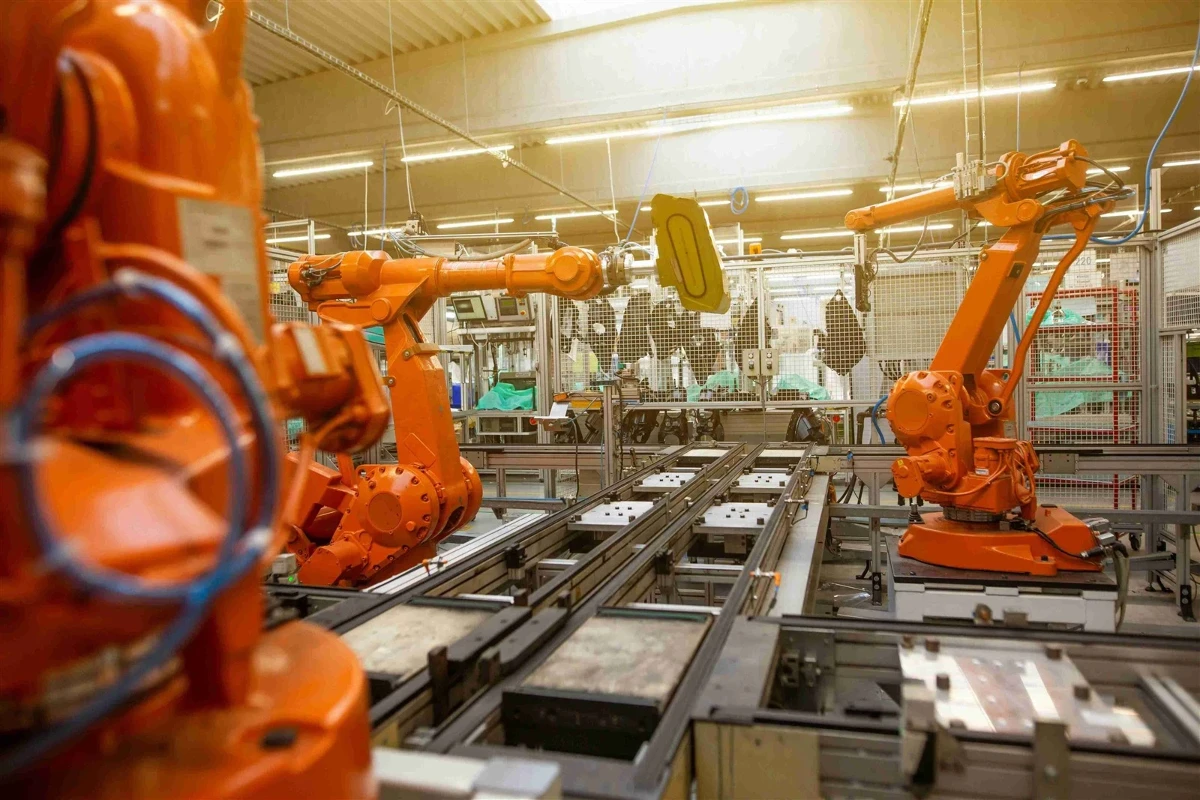
If you're ready to boost your production efficiency and reduce long-term costs, investing in welding robot workstations may be the best decision for your company's future.